☏ +91 86606 74458 +91 94480 33005
Low Libido Treatment in RR Nagar – Complete Information Guide
Low libido, also known as reduced sexual desire, is a common men's health concern that can affect emotional well-being, relationships, and overall quality of life. Sexual desire naturally varies among individuals and may change due to age, lifestyle, hormonal balance, stress, and medical conditions. However, when a noticeable decrease in sexual interest persists for several weeks or months, seeking professional medical evaluation is recommended.
6/26/20264 min read
Low Libido Treatment in RR Nagar – Complete Information Guide
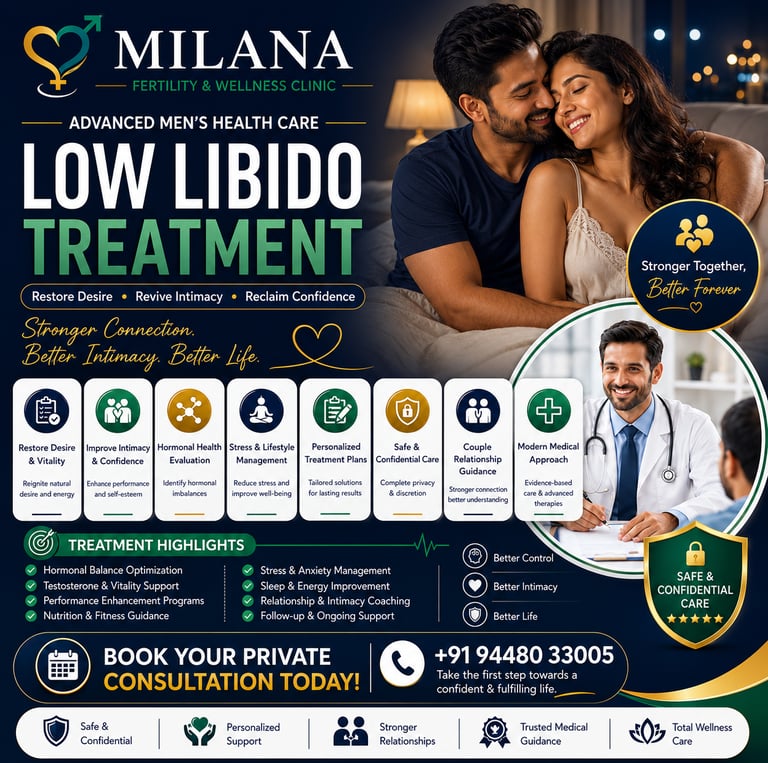
Advanced Low Libido Treatment in RR Nagar for Better Men's Health
Low libido, also known as reduced sexual desire, is a common men's health concern that can affect emotional well-being, relationships, and overall quality of life. Sexual desire naturally varies among individuals and may change due to age, lifestyle, hormonal balance, stress, and medical conditions. However, when a noticeable decrease in sexual interest persists for several weeks or months, seeking professional medical evaluation is recommended.
If you are searching for Low Libido Treatment in RR Nagar, understanding the possible causes and receiving a comprehensive health assessment can help identify the underlying factors. Personalized medical care, healthy lifestyle modifications, and evidence-based guidance can support overall wellness and improve quality of life.
What is Low Libido?
Low libido refers to a reduced interest in sexual activity compared to an individual's usual level of desire. It may develop gradually or suddenly and can affect men of different age groups.
Although occasional changes in sexual desire are normal, persistent low libido may indicate physical, hormonal, psychological, or lifestyle-related factors that deserve medical attention.
Understanding Sexual Desire
Sexual desire depends on the healthy functioning of several body systems.
These include:
Brain
Hormones
Nervous system
Blood circulation
Emotional health
Relationship satisfaction
Overall physical wellness
When one or more of these factors are affected, sexual desire may decrease.
Common Causes of Low Libido
Low libido can result from multiple contributing factors.
Hormonal Causes
Hormones play an essential role in maintaining healthy sexual desire.
Possible hormonal causes include:
Low testosterone
Hormonal imbalance
Thyroid disorders
Age-related hormonal changes
Medical Conditions
Several health conditions may influence libido, including:
Diabetes
High blood pressure
Heart disease
Obesity
Kidney disease
Liver disease
Sleep disorders
Chronic pain
Neurological conditions
Psychological Causes
Mental and emotional well-being significantly influence sexual health.
Common psychological causes include:
Stress
Anxiety
Depression
Emotional fatigue
Relationship difficulties
Work-related pressure
Low confidence
Lifestyle Factors
Lifestyle habits may also contribute to reduced sexual desire.
These include:
Smoking
Excessive alcohol consumption
Poor nutrition
Lack of exercise
Inadequate sleep
Obesity
Chronic stress
Symptoms of Low Libido
Men experiencing low libido may notice:
Reduced interest in sexual activity
Decreased sexual thoughts
Less desire for intimacy
Emotional frustration
Relationship concerns
Reduced self-confidence
Low motivation
Reduced overall satisfaction
Persistent symptoms should be evaluated by a qualified healthcare professional.
Risk Factors
The likelihood of low libido may increase with:
Increasing age
Hormonal imbalance
Diabetes
Obesity
Chronic illnesses
Anxiety
Depression
Lack of physical activity
Poor sleep quality
Why Early Medical Evaluation is Important
Early consultation may help:
Identify underlying medical conditions
Improve understanding of symptoms
Support emotional well-being
Improve relationship satisfaction
Develop an individualized care plan
Promote long-term health
Diagnosis
A comprehensive evaluation helps determine the underlying cause.
Medical History
The healthcare provider may discuss:
Current symptoms
Medical history
Lifestyle habits
Existing medical conditions
Current medications
Emotional well-being
Physical Examination
A general examination may include:
Blood pressure
Weight assessment
Hormonal signs
General health evaluation
Laboratory Investigations
Depending on individual health needs, investigations may include:
Blood sugar
Testosterone levels
Thyroid profile
Lipid profile
Kidney function tests
Liver function tests
Low Libido Treatment in RR Nagar
Treatment depends on the underlying cause and individual health condition.
Lifestyle Modification
Healthy lifestyle improvements may include:
Regular exercise
Healthy eating
Weight management
Better sleep
Stress reduction
Quitting smoking
Limiting alcohol
Hormonal Assessment
If hormonal imbalance is suspected, appropriate evaluation may be recommended before deciding on further management.
Counseling
Psychological counseling may help individuals experiencing:
Stress
Anxiety
Depression
Emotional concerns
Relationship issues
Counseling can improve emotional well-being and support overall health.
Relationship Guidance
Healthy communication and mutual understanding between partners can contribute positively to relationship satisfaction.
Medical Care
When an underlying medical condition contributes to low libido, appropriate medical management focuses on treating the root cause under professional supervision.
Healthy Lifestyle Tips
Eat a Balanced Diet
Include:
Fresh fruits
Green vegetables
Whole grains
Lean proteins
Healthy fats
Reduce:
Processed foods
Sugary beverages
Excess saturated fats
Exercise Regularly
Regular exercise supports:
Heart health
Healthy circulation
Hormonal balance
Energy levels
Weight management
Aim for at least 150 minutes of moderate physical activity each week.
Get Adequate Sleep
Quality sleep supports hormone production, emotional well-being, and overall health.
Manage Stress
Helpful stress management techniques include:
Meditation
Yoga
Walking
Deep breathing
Relaxation exercises
Professional counseling when appropriate
Benefits of Professional Care
Professional evaluation may help:
Identify contributing factors
Improve understanding of symptoms
Support emotional health
Strengthen relationships
Promote overall wellness
Improve quality of life
Prevention Tips
You may reduce the risk of low libido by:
Maintaining a healthy weight
Exercising regularly
Following a balanced diet
Managing stress
Getting adequate sleep
Avoiding tobacco
Limiting alcohol
Managing chronic health conditions
Attending regular health check-ups
When Should You Consult a Doctor?
Consult a healthcare professional if:
Reduced sexual desire persists
Symptoms affect relationships
Fatigue accompanies low libido
Emotional distress develops
Other health concerns are present
Early medical advice helps identify underlying causes and provides appropriate guidance.
Frequently Asked Questions
Is low libido common?
Yes. Reduced sexual desire is a common concern that can affect men at different stages of life.
Is low libido always related to aging?
No. Hormonal changes, lifestyle, emotional health, medications, and medical conditions can all contribute.
Can stress affect sexual desire?
Yes. Stress and anxiety can significantly reduce libido in some individuals.
Can lifestyle changes improve libido?
Healthy habits such as regular exercise, balanced nutrition, adequate sleep, and stress management support overall health and may contribute to improved well-being.
Is treatment available?
Management depends on identifying the underlying cause and may include lifestyle recommendations, counseling, evaluation of medical conditions, or other individualized approaches.
Why Choose Low Libido Treatment in RR Nagar?
Individuals seeking Low Libido Treatment in RR Nagar can benefit from confidential consultations, comprehensive health evaluations, evidence-based medical guidance, lifestyle counseling, hormonal assessment when appropriate, and personalized care plans. Professional evaluation helps identify contributing factors and supports informed healthcare decisions based on individual needs.
Conclusion
Low libido is a common men's health concern that may be influenced by hormonal, physical, emotional, or lifestyle-related factors. While occasional changes in sexual desire are normal, persistent symptoms should not be ignored. Seeking Low Libido Treatment in RR Nagar allows individuals to receive comprehensive evaluation, understand the possible causes, and receive appropriate medical guidance. With healthy lifestyle habits, professional assessment, and individualized care, many men can improve their overall well-being, relationship satisfaction, and long-term quality of life.