☏ +91 86606 74458 +91 94480 33005

Hormonal Imbalance Treatment in RR Nagar – Understanding Causes, Symptoms, Diagnosis, and Personalized Hormonal Care
Hormones are the body's chemical messengers that regulate essential functions such as metabolism, mood, sleep, growth, energy production, sexual wellness, fertility, and reproductive health. When hormone levels become too high or too low, they can disrupt the body's natural balance and lead to a wide range of physical, emotional, and psychological symptoms. Hormonal imbalance is a common health concern that affects both men and women, regardless of age.
7/2/20265 min read
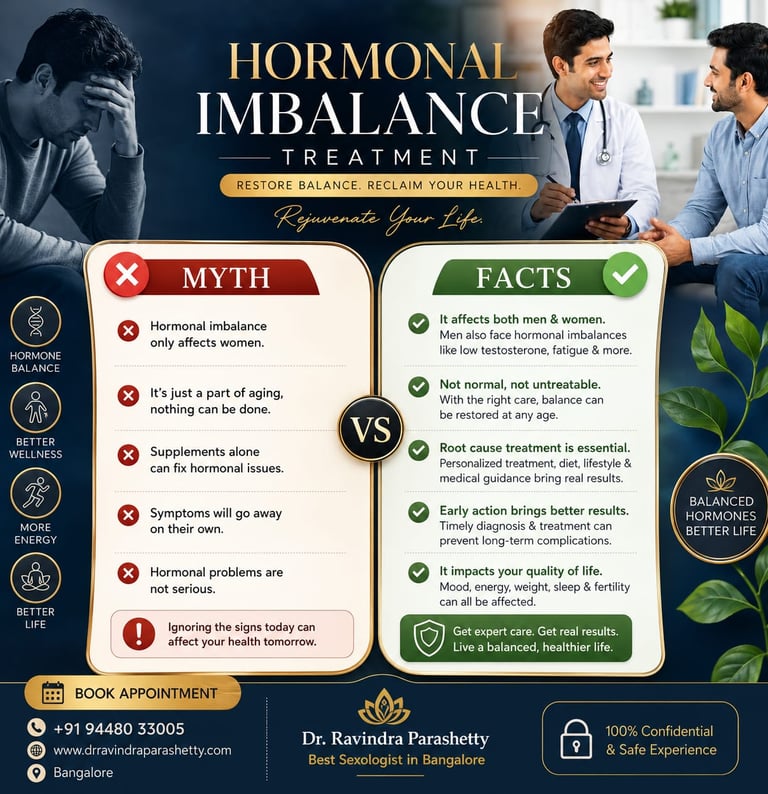
Hormonal Imbalance Treatment in RR Nagar – Understanding Causes, Symptoms, Diagnosis, and Personalized Hormonal Care
Restore Hormonal Balance for Better Health and Well-Being in RR Nagar
Hormones are the body's chemical messengers that regulate essential functions such as metabolism, mood, sleep, growth, energy production, sexual wellness, fertility, and reproductive health. When hormone levels become too high or too low, they can disrupt the body's natural balance and lead to a wide range of physical, emotional, and psychological symptoms. Hormonal imbalance is a common health concern that affects both men and women, regardless of age.
Many individuals living in RR Nagar, Bengaluru, experience symptoms such as constant fatigue, unexplained weight gain, mood swings, low libido, poor sleep, and reduced energy without realizing that hormones may be the underlying cause. Unfortunately, these symptoms are often mistaken for stress or aging, delaying timely medical evaluation. Understanding hormonal imbalance and seeking professional care at the right time can help improve overall health and prevent long-term complications.
At Dr. Ravindra Parashetty's Clinic, patients from RR Nagar and nearby areas receive comprehensive hormonal health evaluations with personalized treatment plans designed to identify the root cause of hormonal disorders. Rather than focusing only on symptom relief, the approach emphasizes improving overall hormonal balance, lifestyle, and long-term wellness.
What is Hormonal Imbalance?
Hormonal imbalance occurs when the endocrine system produces either too much or too little of one or more hormones. Since hormones influence nearly every organ in the body, even a small imbalance can affect multiple body functions.
Hormones regulate:
Energy production
Body weight
Blood sugar levels
Sexual health
Mood and emotions
Sleep quality
Fertility
Muscle strength
Bone health
Metabolism
Brain function
When these hormones become imbalanced, the body begins showing warning signs that should not be ignored.
Common Hormones That Can Become Imbalanced
The endocrine system includes several glands responsible for hormone production. Common hormones affected include:
Testosterone
Estrogen
Progesterone
Thyroid Hormones (T3 & T4)
Cortisol
Insulin
Growth Hormone
Prolactin
Follicle Stimulating Hormone (FSH)
Luteinizing Hormone (LH)
Each hormone plays a unique role, and an imbalance can lead to specific health concerns.
Causes of Hormonal Imbalance
Hormonal imbalance can result from various medical and lifestyle factors.
Aging
Natural hormonal changes occur with age. Testosterone gradually decreases in men, while women experience hormonal fluctuations during menopause.
Chronic Stress
Long-term stress increases cortisol levels, which can interfere with normal hormone production and affect mood, sleep, metabolism, and reproductive health.
Thyroid Disorders
Hypothyroidism and hyperthyroidism can disrupt metabolism, causing fatigue, weight changes, hair loss, and mood disturbances.
Diabetes and Insulin Resistance
Abnormal insulin levels can impact several hormonal pathways and increase the risk of metabolic disorders.
Obesity
Excess body fat influences hormone production and may contribute to reduced testosterone, increased estrogen, and insulin resistance.
Poor Lifestyle Habits
Lifestyle factors such as poor nutrition, inadequate sleep, lack of exercise, smoking, and excessive alcohol consumption may negatively affect hormonal balance.
Medical Conditions
Certain conditions increase the risk of hormonal imbalance, including:
Polycystic Ovary Syndrome (PCOS)
Thyroid diseases
Adrenal disorders
Pituitary gland disorders
Chronic liver disease
Kidney disorders
Autoimmune diseases
Medications
Some medications, including steroids and hormone-based treatments, may alter hormone levels.
Symptoms of Hormonal Imbalance
Symptoms vary depending on the affected hormone but commonly include:
Constant tiredness
Mood swings
Anxiety
Depression
Poor concentration
Memory issues
Weight gain
Difficulty losing weight
Hair thinning
Dry skin
Sleep disturbances
Low libido
Erectile dysfunction
Irregular menstrual cycles
Infertility
Hot flashes
Night sweats
Muscle weakness
Reduced stamina
If these symptoms persist, a medical evaluation is recommended.
Hormonal Imbalance in Men
Men often experience hormonal imbalance due to declining testosterone levels or endocrine disorders.
Common symptoms include:
Reduced sexual desire
Erectile dysfunction
Low energy
Muscle loss
Increased abdominal fat
Mood changes
Poor motivation
Reduced confidence
Infertility
Difficulty concentrating
Early diagnosis can help improve both physical and emotional well-being.
Hormonal Imbalance in Women
Hormonal fluctuations are common during menstruation, pregnancy, postpartum, and menopause. However, persistent symptoms should not be ignored.
Common symptoms include:
Irregular periods
Heavy menstrual bleeding
Mood swings
Acne
Weight gain
Hair loss
Vaginal dryness
Hot flashes
Poor sleep
Fertility concerns
Why Early Diagnosis Matters
Ignoring hormonal imbalance may lead to long-term health complications, including:
Diabetes
Osteoporosis
High blood pressure
Heart disease
Infertility
Depression
Reduced bone density
Sexual dysfunction
Metabolic disorders
Early diagnosis helps identify the underlying cause and enables timely treatment.
Diagnosis of Hormonal Imbalance
A detailed evaluation is essential to determine the exact cause.
The diagnostic process may include:
Detailed medical history
Physical examination
Hormone profile blood tests
Thyroid function tests
Blood sugar assessment
Vitamin level evaluation
Ultrasound (when indicated)
Additional endocrine investigations
Treatment recommendations are based on clinical findings and laboratory results.
Treatment Options
Treatment depends on the underlying cause and individual health needs.
Lifestyle Modification
Healthy lifestyle habits play a key role in hormone regulation.
Recommendations include:
Balanced nutrition
Regular physical activity
Stress reduction
Weight management
Adequate sleep
Nutritional Counseling
A nutrient-rich diet supports hormone production.
Recommended foods include:
Fresh vegetables
Fruits
Whole grains
Lean proteins
Healthy fats
Nuts and seeds
Fiber-rich foods
Medical Management
When required, medications or hormone-specific treatments may be advised after appropriate evaluation.
Stress Management
Techniques such as yoga, meditation, breathing exercises, and relaxation practices may help improve hormonal health.
Regular Follow-Up
Periodic monitoring helps assess treatment progress and maintain hormonal balance over time.
Benefits of Timely Treatment
Early intervention may provide several health benefits, including:
Increased energy
Better mood
Improved sleep
Healthy metabolism
Weight control
Better fertility
Enhanced sexual wellness
Increased confidence
Reduced risk of chronic diseases
Improved quality of life
Healthy Habits for Hormonal Balance
Simple lifestyle changes can support long-term hormonal health.
Exercise regularly.
Sleep for 7–8 hours daily.
Maintain a healthy body weight.
Eat balanced meals.
Reduce processed foods.
Stay hydrated.
Avoid tobacco.
Limit alcohol.
Practice stress management.
Schedule regular health check-ups.
Hormonal Imbalance and Quality of Life
Hormones influence nearly every aspect of daily life. When they become imbalanced, individuals may experience reduced work performance, emotional stress, relationship difficulties, and lower self-confidence. Proper evaluation and treatment can help restore overall wellness and improve daily functioning.
Why Residents of RR Nagar Choose Professional Hormonal Health Care
RR Nagar is a rapidly growing residential area in Bengaluru where many working professionals, families, and senior citizens prioritize preventive healthcare. With increasing work-related stress, sedentary lifestyles, irregular eating habits, and lack of adequate sleep, hormonal disorders have become more common.
People from RR Nagar often seek hormonal health evaluation for symptoms such as persistent fatigue, weight changes, low testosterone, thyroid-related concerns, menstrual irregularities, and reduced energy levels. Early consultation allows healthcare professionals to identify underlying hormonal issues before they progress into more complex medical conditions.
Preventing Hormonal Imbalance
While not all hormonal disorders can be prevented, healthy habits significantly reduce the risk.
Preventive measures include:
Regular physical activity
Healthy eating habits
Maintaining an ideal weight
Stress management
Routine health screenings
Quality sleep
Avoiding excessive alcohol consumption
Not smoking
Managing chronic illnesses effectively
Why Choose Dr. Ravindra Parashetty?
Patients from RR Nagar and surrounding areas choose Dr. Ravindra Parashetty for personalized hormonal health care because of the focus on comprehensive evaluation and individualized treatment planning.
Highlights include:
Personalized consultation
Comprehensive hormonal assessment
Root-cause-focused approach
Care for both men and women
Confidential consultations
Lifestyle and nutritional guidance
Long-term follow-up
Evidence-based treatment recommendations
Patient-centered care
Focus on improving overall quality of life
Frequently Asked Questions
Can hormonal imbalance affect young adults?
Yes. Hormonal disorders can occur at any age due to stress, thyroid disorders, lifestyle factors, or underlying medical conditions.
Is hormonal imbalance only related to aging?
No. Although hormone levels naturally change with age, many hormonal disorders affect younger individuals as well.
Can hormonal imbalance cause infertility?
Yes. Hormonal disorders can interfere with ovulation in women and sperm production in men.
Does stress affect hormones?
Chronic stress can increase cortisol levels and disrupt normal hormone regulation.
Can hormonal imbalance cause erectile dysfunction?
Yes. Low testosterone and other endocrine disorders may contribute to erectile dysfunction.
Can lifestyle changes improve hormone health?
Healthy eating, exercise, quality sleep, and stress management often support better hormonal balance.
Are hormone tests necessary?
Hormone testing helps identify specific imbalances and guides appropriate treatment.
When should I consult a doctor?
If symptoms such as fatigue, weight changes, mood swings, low libido, poor sleep, or menstrual irregularities persist for several weeks, medical evaluation is recommended.
Conclusion
Hormonal imbalance is a manageable health condition when identified early and treated appropriately. Symptoms such as fatigue, weight gain, low libido, mood changes, sleep disturbances, and menstrual irregularities should not be dismissed as a normal part of aging or daily stress. For individuals in RR Nagar, Bengaluru, timely medical evaluation, accurate diagnosis, and personalized treatment can help restore hormonal balance, improve physical and emotional well-being, and enhance overall quality of life. With a combination of medical guidance, healthy lifestyle modifications, and regular follow-up, long-term hormonal health can be effectively supported.